Not Every Month Is a Making Month: How to Stop Fighting Your Own Creative Tides

Somewhere along the way, creative culture absorbed the same productivity mythology as corporate culture — the idea that more output equals more value, that rest is laziness in disguise, and that if you're not making something every single day, you're falling behind. It's exhausting, and honestly, it's not even how creativity actually works.
The most interesting thing about studying how prolific artists, writers, and makers actually structure their lives? Almost none of them operate at a flat, constant output. They work in rhythms. They have seasons. And learning to recognize and work with those rhythms, rather than white-knuckling your way through them, might be the most sustainable creative decision you ever make.
The Myth of the Constant Creative
Let's start by calling out the lie. The image of the artist who wakes up at 5am, fills three notebooks before breakfast, produces a masterpiece by noon, and does it all again the next day — that's a mythology, not a model. Even the creatives we hold up as paragons of productivity had fallow periods, seasons of doubt, stretches where nothing much happened on the surface.
Maya Angelou famously rented a hotel room to write in, but she also talked openly about the periods between books where she wasn't producing — she was living, absorbing, letting the tank refill. Stephen King writes every day, yes, but he's also said that some of those days are genuinely terrible and that's part of the deal. The consistency isn't about constant inspiration — it's about showing up even when the tide is out.
The point isn't to copy anyone else's rhythm. The point is to figure out yours.
Seasons Exist for a Reason
Humans are biological creatures, and we're more affected by natural cycles than our indoor, screen-lit lives might suggest. Seasonal shifts in light genuinely affect mood, energy, and cognitive function — this isn't woo, it's physiology. Many creatives find that their output naturally contracts in winter and expands in spring and summer. Others find the opposite — the long dark months are when they go deep.
Paying attention to your own seasonal patterns is worth actual time and effort. Look back at your creative output over the past year or two. When were you most generative? When did you feel most blocked or depleted? Are there patterns there? Most people, when they actually examine this honestly, find more consistency in their rhythms than they expected.
Once you see the pattern, you can design around it rather than fighting it. If January and February are historically your lowest-energy months, maybe that's not the time to launch a new project — maybe that's when you rest, research, and let ideas percolate. If fall is when you come alive creatively, that's when you schedule your most ambitious making.
Monthly and Weekly Rhythms Count Too
Beyond the seasons, there are smaller cycles worth mapping. Many people find their energy and focus follows a roughly monthly arc — not just for those who menstruate, though the research on creative output and hormonal cycles is genuinely fascinating. There are often predictable windows of high-energy, high-focus output, and predictable windows of lower energy, more reflective thinking.
Weekly rhythms matter too. Monday might be your planning day. Wednesday might be when you do your best deep work. Friday might be when your brain is only capable of administrative tasks. Working with these patterns instead of against them means you're not trying to write your most important chapter on the day your brain is at 40%.
This isn't about being precious or finding excuses not to work. It's about being strategic with your most valuable resource: your own focused attention.
Designing a Seasonal Creative Calendar
So what does this actually look like in practice? A few frameworks that work well for different types of creatives:
The Harvest and Fallow Model. Borrowed from agriculture — periods of intense production followed by intentional rest and renewal. Some creatives work in three-month sprints with a month of lighter output in between. The fallow period isn't empty; it's when you're reading, exploring, taking in new experiences, and letting ideas cross-pollinate below the surface.
The Depth and Width Cycle. Some months you go deep on one thing. Other months you let yourself be scattered and exploratory, following curiosity wherever it leads. The depth months produce finished work. The width months produce the raw material for the next depth phase. Both are necessary.
The Energy Audit. For a month, keep a simple log. Morning, afternoon, evening — note your energy level and what kind of creative work you did (or didn't do). After a month, patterns emerge. Most people discover they have two or three genuinely high-focus windows per day, and the rest of the time is better suited to lighter tasks. Once you know this, you can protect those windows fiercely.
Rest Is Not the Opposite of Creativity
This might be the most important reframe in this whole conversation. Rest is not the absence of creative work — it is part of the creative work. The brain processes and consolidates during downtime. Insights happen in the shower, on walks, in the half-awake space before sleep. None of that can happen if you're grinding through every hour of every day trying to force output.
John Cleese, who has thought deeply about creativity for decades, talks about the importance of creating a protected space — both in terms of time and mental space — where your mind is free to wander and play. That space is incompatible with constant productivity. You can't be in hustle mode and open mode at the same time.
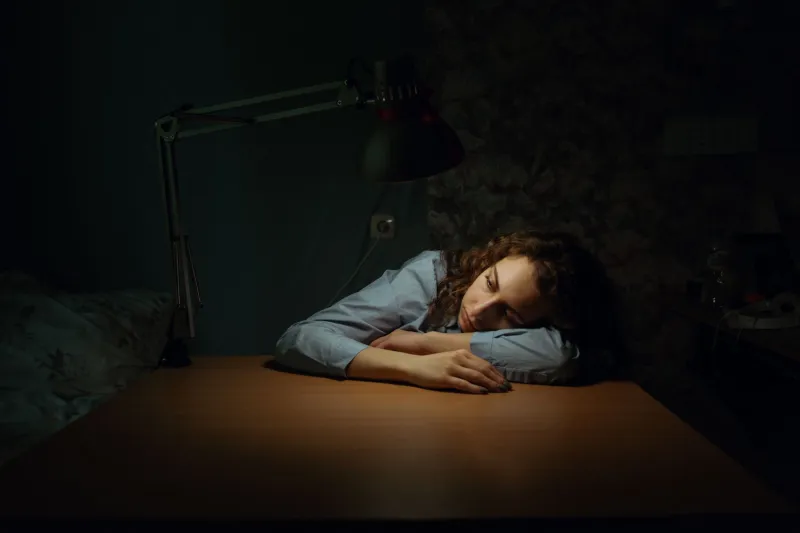
When you're in a lower-energy season, you're not failing. You might be composting. The stuff going in now is what makes the next growing season possible.
A Sustainable Creative Life Looks Different for Everyone
The goal here isn't to give you a prescriptive formula — it's to give you permission to stop treating your creative life like a factory floor. You don't have to produce at constant volume to be a serious creative. You don't have to hustle through your rest periods to prove your dedication.
What you do have to do is pay attention. Get curious about your own rhythms. Track them, honor them, and design your work life around them as much as you reasonably can. The creatives who last aren't the ones who burned the brightest — they're the ones who learned to tend their own flame.
Some months you make a lot. Some months you make a little. Both are part of the same creative life, and both deserve your respect.