When Making Things Stops Feeling Good: A Real Talk Guide to Recovering Your Creative Energy
The Moment You Realize You're Running on Fumes
You remember why you started, right? There was a time when making things — whether that was painting, writing, designing, building, photographing, composing — felt like the most natural thing in the world. It wasn't about deadlines or deliverables or content calendars. It was just yours.
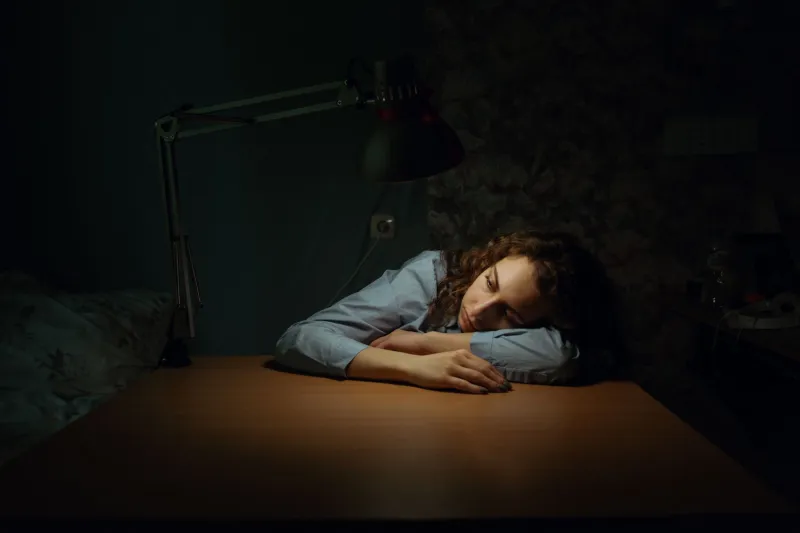
And then, somewhere in the middle of turning that passion into a practice (or worse, a hustle), it started to feel different. Heavy. Obligatory. You sit down to work and feel nothing. Or you feel dread. Or you scroll Instagram looking at other people's output and feel a complicated mix of envy and exhaustion that you can't quite name.
That's burnout. And no, it's not a badge of honor. It's not proof that you're working hard enough. It's a signal — and ignoring it tends to make things significantly worse.
Why Creative Burnout Hits Different
Regular job burnout is its own kind of terrible, but creative burnout carries an extra layer of grief. Because it's not just your energy that's depleted — it's your relationship with something that used to feel like a core part of who you are.
The current cultural obsession with monetizing every interest and turning passion projects into side hustles has made this worse. There's enormous pressure in the US creative space right now to be constantly producing, constantly visible, constantly growing. Podcasters need episodes. Illustrators need Instagram posts. Photographers need reels. Writers need newsletters. And if you're not growing your audience, you're apparently dying.
The result? A lot of genuinely talented people are grinding themselves down on the content treadmill and wondering why the thing they love feels like a chore.
Jamila, a graphic designer in Chicago, described it this way: "I started freelancing because I was passionate about design. Three years in, I was billing forty hours a week, posting on social five times a week, and I hadn't made anything just for myself in over a year. I didn't even know if I still liked design. I just knew I was tired."
That distinction Jamila touches on — work for yourself versus work for output — is actually one of the most important factors in sustainable creative practice.
Necessary Struggle vs. Unsustainable Grinding
Not all creative difficulty is burnout. This is worth saying clearly, because there's a tendency to conflate the natural friction of challenging work with the depletion of actual burnout. They're different things.
Necessary struggle looks like: working through a creative problem that's genuinely hard, sitting with discomfort while a project develops, pushing through a rough draft toward something better. It's tiring in a productive way. There's still some forward pull, even when it's slow.
Unsustainable grinding looks like: doing work that no longer connects to any personal meaning, producing output purely for external metrics, feeling resentment toward your own creative practice, and waking up hoping you can avoid doing the thing you supposedly love.
If the second list sounds familiar, it's time to make some changes — not push harder.
Rebuilding Without Burning It All Down
The good news is that creative recovery doesn't usually require blowing up your entire practice. More often, it requires restructuring it. Here's what that can look like in practice:
Reintroduce play. This sounds almost embarrassingly simple, but it's genuinely effective. Set aside time — even 20 minutes — to make something with zero intention behind it. No audience, no purpose, no post. Doodle, noodle on an instrument, write something terrible on purpose. The goal is to remind your nervous system that making things can feel good without needing to go anywhere.
Audit your obligations. Pull up your client list, your content schedule, your commitments. Ask honestly: which of these are feeding you creatively, financially, or relationally? Which ones are just there because you said yes and kept saying yes? You don't have to drop everything, but identifying the energy drains helps you start making different choices going forward.
Separate the art from the business. This one is a structural shift that a lot of creatives find transformative. Treat your commercial work and your personal creative work as genuinely separate categories with separate time, separate mental space, and separate expectations. Your client work doesn't have to contaminate your personal practice, and vice versa.
Bring in community, not competition. Isolation is a major burnout accelerant. Finding even one or two people who are in a similar creative space — not to compare output, but to share process, struggle, and small wins — can completely shift the texture of your day-to-day.
Take the example of Rafael, a filmmaker in Austin who had been producing branded video content for three years. He'd stopped making personal short films entirely. When burnout hit hard enough that he took a forced two-week break, he used part of it to shoot a 4-minute personal film with no client, no brief, and no budget. "It reminded me why I picked up a camera in the first place," he said. He now protects one week per quarter for a personal project, non-negotiable. His commercial work, interestingly, has gotten better since.
The Long Game Is the Only Game
Here at Sunray Kelley, we believe creative work is something you do for a lifetime, not a sprint you run until you collapse. The creatives who sustain meaningful practices over decades aren't the ones who hustled hardest in their twenties — they're the ones who figured out how to protect their energy, honor their curiosity, and build practices that had room to breathe.
Burnout is a message, not a sentence. It's your creative self telling you that something needs to shift. The shift might be small — a schedule adjustment, a dropped commitment, a permission slip to make something bad just for fun. Or it might be bigger — a real restructuring of how you've built your work life.
Either way, the path back to loving what you make starts with being honest about what's actually happening. And that honesty? That's the first creative act of your recovery.