How to Actually Keep Making Things Without Running Yourself Into the Ground
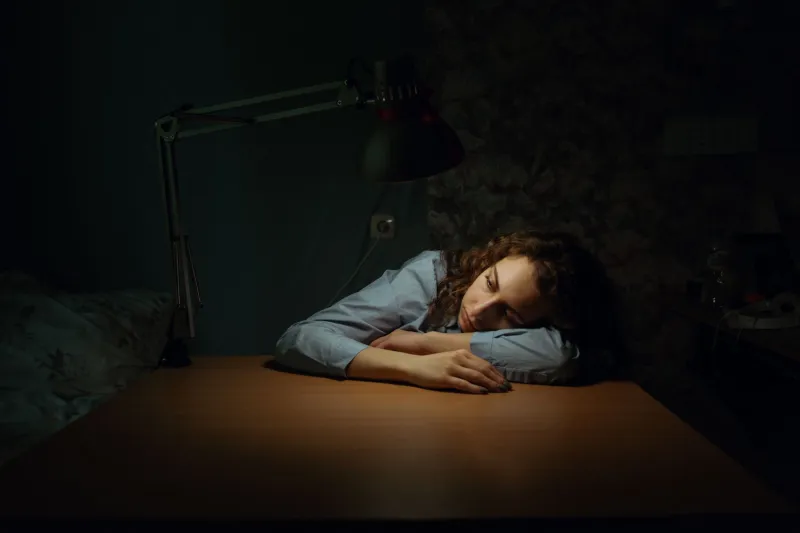
At some point, most creative people hit a wall. Not a temporary block — a full-on, can't-look-at-another-blank-canvas, why-did-I-think-I-could-do-this kind of wall. And the frustrating part is that it usually doesn't happen because you stopped caring. It happens because you cared so much that you ran the engine completely dry.
Burnout in the creative world is a real thing, and it's gotten a lot more common as the expectation to constantly produce, constantly post, constantly hustle has ramped up. If you're juggling a day job and a side creative project, or managing multiple creative pursuits at once, or just trying to keep a personal practice alive while the rest of life demands your attention — you already know how fast the tank empties.
The good news: this is a structural problem, not a passion problem. And structural problems have structural solutions.
The Myth of the Productive Grind
Let's start by dismantling something. There's a story in American hustle culture — especially in creative and entrepreneurial spaces — that says the people who make it are the ones who work the hardest, sacrifice the most, and never stop. You've seen the social posts: "I work while you sleep." "Rest is for the weak." The whole mythology of the suffering artist who pours everything into their work and barely comes up for air.
Here's the reality: that model isn't sustainable, and for most people, it doesn't even produce the best work. Creativity isn't a faucet you can just leave running indefinitely. It's more like a well — it needs time to refill. When you treat it like an infinite resource, you're not being dedicated. You're being careless with something genuinely precious.
Building a sustainable creative practice isn't about doing less — it's about doing smarter, and protecting your energy like it's actually worth something. Because it is.
Start by Getting Honest About What's on Your Plate
Before you can build a better system, you need to see the current one clearly. And most of us are carrying more than we realize.
Take ten minutes and write down every creative project, obligation, or goal you're currently holding. Include the half-finished things, the ideas you told someone you'd pursue, the collaborations that are technically still happening, the passion projects you haven't touched in three months but haven't officially let go of either.
Now look at that list. How much of it actually excites you right now? How much of it feels like obligation? How much of it is you trying to be everything to everyone, or chasing too many directions at once?
Scattered energy is one of the biggest enemies of a sustainable creative practice. When your attention is spread across eight different projects, none of them get your best — and you end up exhausted without much to show for it. Getting focused isn't giving up. It's choosing to actually finish something.
Design Your Creative Rhythm (Not Someone Else's Schedule)
One of the most common mistakes creatives make when trying to get more structured is adopting someone else's system wholesale. They read about a famous writer's 5 a.m. routine or a designer's deep-work blocks and try to copy it exactly — only to find it doesn't fit their life at all, and then conclude they must just not be disciplined enough.
Your creative rhythm needs to be built around your life, your energy patterns, and your actual constraints.
Ask yourself:
- When are you naturally most energized? Morning person or night owl? That's when your best creative work should happen, if at all possible.
- How long can you realistically focus before you need a break? Some people thrive in ninety-minute deep work sessions. Others do better with four focused thirty-minute chunks throughout the day.
- What does your week actually look like? Be real about this. If Tuesday nights are always chaotic, don't schedule your most ambitious creative work for Tuesday nights.
Once you understand your natural patterns, you can start designing sessions that work with your energy instead of against it. Even two or three protected creative hours a week, used consistently and intentionally, will move the needle more than sporadic marathon sessions that wipe you out.
Set Boundaries That Actually Stick
Boundaries in creative work aren't just about saying no to other people — they're about saying no to yourself, too. That means:
Having a stopping point. Decide when a creative session ends and actually end it. Leaving a little in the tank feels counterintuitive, but it means you'll come back tomorrow instead of dreading it.
Separating creating from consuming. Scrolling, researching, watching tutorials — all of that has value, but it's not the same as making. If your "creative time" often turns into consumption time, you need a cleaner boundary between the two.
Protecting your recovery time. Rest isn't a reward you earn after you finish everything. It's maintenance. Schedule it the same way you schedule your work.
Knowing when a project is done enough. Perfectionism is one of the sneakiest forms of creative drain. At some point, the project is finished enough to release, and continuing to tinker is just anxiety wearing a productive costume.
Make the Practice Itself Feel Good
Here's something that gets overlooked in a lot of productivity conversations: the quality of your creative experience matters, not just the output.
If your creative practice feels like a chore — if you're grinding through it out of obligation rather than genuine engagement — that's a signal worth paying attention to. Maybe the project needs to evolve. Maybe the environment isn't working for you. Maybe you've been so focused on producing that you've forgotten to enjoy the actual process.
Small things can shift this significantly. A dedicated creative space, even if it's just a corner of a room. A ritual that signals the start of creative time — a particular playlist, a cup of coffee, a few minutes of just sitting quietly. Working on something purely for fun alongside your more goal-oriented projects.
When making things feels good — genuinely, intrinsically good — you don't have to force yourself to show up. You want to.
The Long Game Is the Only Game
Sustainability in creative work isn't a compromise. It's the whole point. The goal isn't to have one incredible, exhausting year of output and then burn out and never make anything again. The goal is to keep making things — for decades, ideally — in a way that keeps evolving and deepening and surprising you.
That requires treating your creative energy like the finite, renewable resource it is. It requires structure, boundaries, and honest self-awareness. And it requires letting go of the idea that more is always better.
Slow and steady doesn't sound as exciting as "hustle until you make it." But it's the approach that actually keeps you in the game long enough to make something worth making.